
BY IRIBHOGBE BUKUNOLA MONSURAT
The conversation surrounding same-sex marriage in Southwest Nigeria remains one of the most sensitive and controversial social issues in the region. Across states such as Lagos, Ogun, Oyo, Osun, Ondo, and Ekiti, public opinion is shaped by a mixture of religion, culture, law, and changing global realities. While many residents strongly oppose same-sex unions, others argue that the discussion should focus more on human rights, tolerance, and personal freedom.
Nigeria’s Same Sex Marriage (Prohibition) Act, signed into law in 2014, criminalises same-sex unions and prescribes penalties for those involved in such relationships or organisations supporting them. In Southwest Nigeria, where Christianity and Islam have deep influence, opposition to same-sex marriage is often publicly reinforced by religious leaders, traditional institutions, and conservative groups.
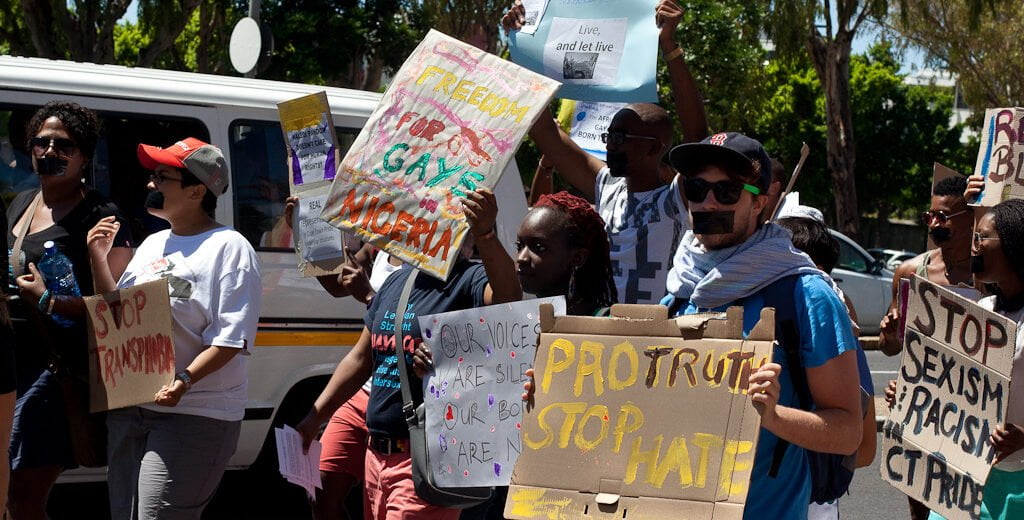
Many clerics across the region regularly preach against homosexuality, describing it as contrary to religious teachings and African cultural values. Traditional rulers and community leaders have also expressed concerns that accepting same-sex marriage could erode what they describe as the moral foundation of society. Public demonstrations, social campaigns, and media discussions against same-sex relationships are not uncommon in some parts of the Southwest.
However, despite the widespread opposition, there are growing voices calling for a more balanced and humane conversation. Human rights advocates argue that while people may disagree with same-sex marriage on moral or religious grounds, discrimination, violence, intimidation, and hate speech against individuals should not be tolerated. They maintain that every citizen deserves dignity, safety, and equal protection under the law.
Lagos, being Nigeria’s most cosmopolitan city, has become a focal point in the debate. As a commercial hub exposed to international cultures and global human rights discussions, the city reflects a wider range of opinions than many other parts of the country. Younger Nigerians, particularly on social media, increasingly engage in debates about individual liberty, privacy, and freedom of association, even though many still remain conservative on the issue.
Critics of the anti-same-sex campaign warn that extreme hostility could deepen social division and encourage abuse. Cases of mob attacks, public shaming, and online harassment linked to allegations of homosexuality have occasionally sparked concern among civil society groups. They argue that disagreements over lifestyle or beliefs should not justify violence or the denial of basic rights.
Supporters of the law, on the other hand, insist that Nigeria has the sovereign right to preserve its cultural and religious identity. They argue that Western influence should not dictate African social values and maintain that the overwhelming majority of Nigerians do not support same-sex marriage.
The debate in Southwest Nigeria ultimately reflects a larger national struggle between tradition and modernity, religious conviction and individual freedom, as well as local values and global human rights conversations. While consensus remains far away, many observers believe that respectful dialogue, tolerance, and peaceful engagement are essential in handling such a deeply divisive issue in a diverse society like Nigeria.