
BY IRIBHOGBE BUKUNOLA MONSURAT
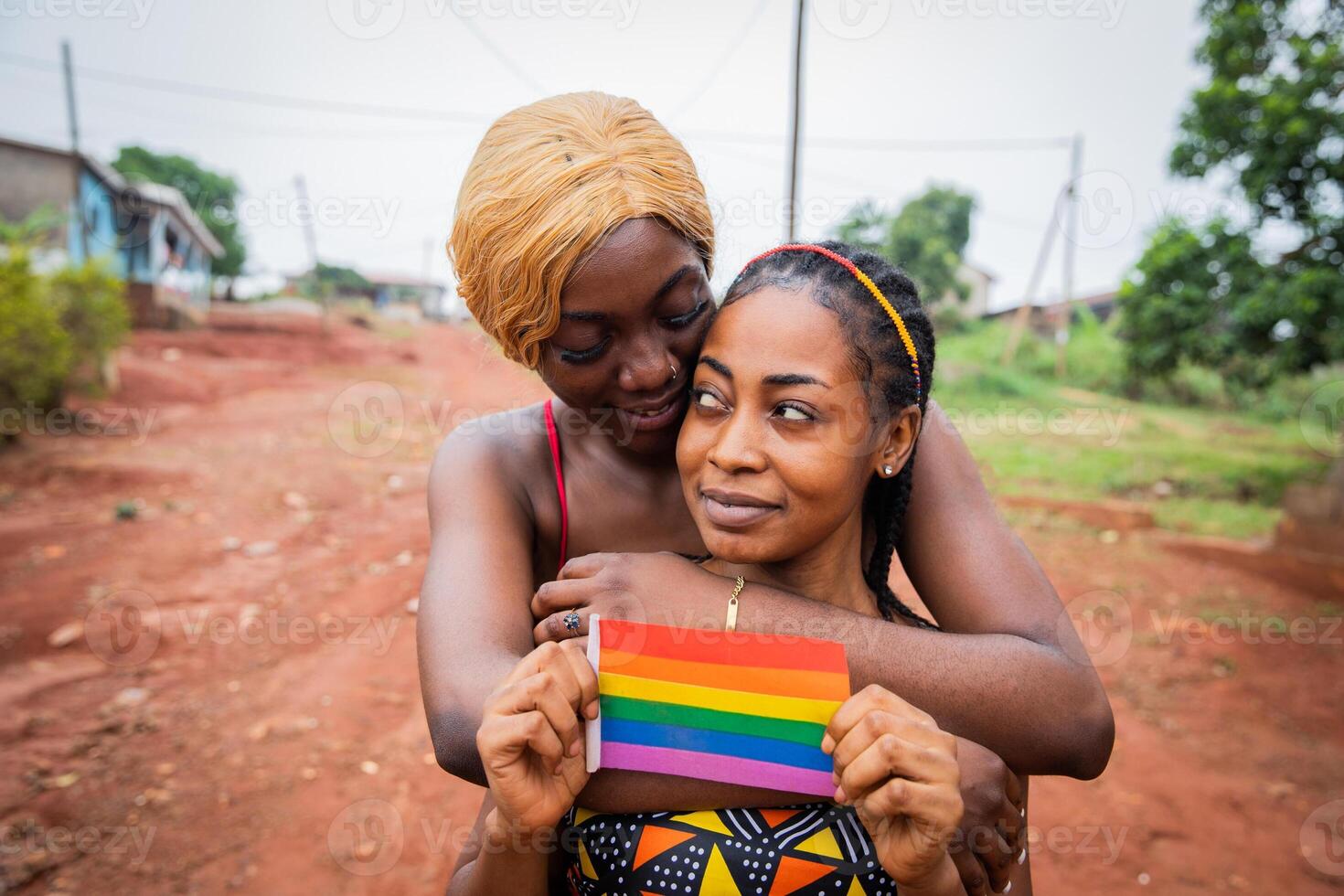
Nigeria is a nation known for its diversity, resilience, culture, and strong sense of community. Across different ethnic groups, religions, and traditions, Nigerians have long valued family, unity, and human dignity. Yet, despite these values, many citizens who identify as lesbian, gay, bisexual, or transgender continue to face rejection, discrimination, and hostility because of their sexual orientation.
The conversation around same-sex relationships in Nigeria remains highly controversial, often shaped by religious teachings, cultural beliefs, and social expectations. However, beyond emotions and politics lies an important question: can a society truly progress if some of its citizens are denied acceptance, protection, and equal humanity?
Human Rights and Human Dignity
Every Nigerian deserves the right to live without fear, violence, or discrimination. Same-sex relationships involve consenting adults who choose to share love, companionship, and emotional support. Denying people the freedom to love peacefully undermines the principles of personal liberty and human dignity.
A society that respects human rights must protect all citizens, regardless of their differences. Acceptance does not require everyone to abandon their personal beliefs; rather, it means recognising that every individual deserves respect and equal treatment under the law.
Reducing Violence and Discrimination
Hostility against LGBTQ individuals has led to harassment, blackmail, physical attacks, and social exclusion in many communities. Some people are denied housing, employment, education, or healthcare simply because of their identity.
Embracing tolerance can help reduce violence and create safer communities. When society encourages understanding instead of hatred, fewer people become victims of mob attacks, intimidation, or emotional abuse.
Promoting Mental Health and Social Stability
Rejection and discrimination can have serious psychological effects. Many LGBTQ Nigerians struggle with depression, anxiety, isolation, and fear due to societal hostility.
Acceptance can improve mental health outcomes and help individuals live more productive lives. A society becomes stronger when its citizens feel safe, valued, and included rather than rejected and marginalised.
Cultural Evolution Is Part of Every Society
Cultures are not static. Nigerian society has evolved in many ways over time, including attitudes toward education for women, inter-ethnic marriages, and religious diversity. Practices once considered unacceptable have gradually become more accepted as society developed.
Engaging in open dialogue about same-sex relationships does not destroy culture; it reflects a society willing to listen, learn, and adapt while maintaining peace and mutual respect.
Religious Beliefs and Coexistence
Nigeria is deeply religious, and many people oppose same-sex relationships based on their faith. However, in a democratic society, personal religious beliefs should coexist with the rights of others.
People should remain free to practice their religion and uphold their moral convictions without using violence, threats, or discrimination against those who live differently. Peaceful coexistence is one of the foundations of democracy.
Economic and International Implications
Countries that promote inclusion and human rights often attract stronger international partnerships, tourism, investment, and global opportunities. Increasingly, global organisations and multinational businesses value diversity and inclusion in their operations.
A more tolerant society can help Nigeria strengthen its image as a modern and progressive nation that values all its citizens.
The Importance of Dialogue
Meaningful conversations about same-sex relationships should be approached with empathy, maturity, and respect. Insults, threats, and extremism only deepen divisions.
Nigerians may hold different opinions on sexuality, but disagreement should never become an excuse for hatred or violence. Respectful dialogue allows society to grow while protecting freedom of expression and human dignity.
Conclusion
Embracing same-sex relationships does not mean abandoning culture, religion, or morality. It means recognising the humanity of others and allowing people to live peacefully without fear.
Nigeria’s strength lies in its diversity. A truly united society is one where all citizens — regardless of tribe, religion, gender, or sexual orientation — are treated with fairness, dignity, and compassion.
The future of Nigeria should be built on understanding rather than intolerance, and on coexistence rather than exclusion.