
BY IRIBHOGBE BUKUNOLA MONSURAT
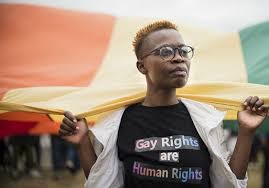
In every democratic society, journalists play a crucial role in informing the public, challenging dominant narratives, and giving voice to marginalized communities. Their work often places them at the center of contentious debates, particularly on issues that touch on culture, religion, politics, and human rights. In Nigeria, few topics generate as much controversy as LGBTQ+ rights. Yet, regardless of where one stands on the issue, the growing trend of targeting journalists who express support for the rights and dignity of LGBTQ+ people should concern every defender of free speech and democratic values.
Recent attacks against journalists who advocate for tolerance, equality, or the protection of LGBTQ+ persons highlight a troubling reality. Rather than engaging with their arguments through dialogue and debate, critics increasingly resort to intimidation, threats, harassment, and character assassination. Such actions undermine not only the safety of journalists but also the fundamental principles upon which a free society depends.
Nigeria remains a deeply religious and culturally conservative nation. Many citizens oppose same-sex relationships on moral, religious, or cultural grounds. They have every right to hold and express those beliefs. However, democracy is not measured by how it treats majority opinions; it is measured by how it protects the right of individuals to express unpopular views without fear of persecution.
Supporting the rights of LGBTQ+ people does not necessarily mean endorsing every aspect of their lifestyle. For many advocates, it is simply a call for basic human dignity, freedom from violence, and equal protection under the law. A journalist who argues for these principles is participating in a legitimate public conversation, not committing a crime.
When journalists become targets because of their opinions, the consequences extend beyond the individuals involved. Intimidation creates a chilling effect that discourages others from discussing sensitive issues. Writers begin to self-censor. Editors become hesitant to publish controversial perspectives. Public debate narrows, and society loses the opportunity to confront difficult questions through reasoned discussion.
History shows that progress often begins with voices willing to challenge prevailing assumptions. Whether the issue is civil rights, women’s rights, freedom of religion, or press freedom, social change has frequently depended on courageous individuals prepared to speak when silence would have been safer. Journalists have been among those voices.
Critics of LGBTQ+ advocacy are entitled to express disagreement, organize campaigns, write rebuttals, and promote alternative viewpoints. These are healthy features of democratic engagement. What should never be acceptable is the use of threats, intimidation, or attempts to silence journalists through fear. Such tactics replace dialogue with coercion and weaken the very freedoms that protect everyone, including those who oppose LGBTQ+ rights.
Religious organizations, community leaders, and civil society groups have a particular responsibility in this regard. Their influence can either calm tensions or inflame them. While they may strongly disagree with certain viewpoints, they should encourage peaceful discourse rather than hostility toward those who hold different opinions. Respectful disagreement strengthens society; intimidation weakens it.
The debate over LGBTQ+ rights in Nigeria is unlikely to disappear anytime soon. It will continue to provoke strong emotions and passionate arguments. Yet the country’s democratic future depends on ensuring that these debates are conducted through words rather than threats.
Defending a journalist’s right to support LGBTQ+ rights is not the same as endorsing that position. It is a defense of a broader principle: that no citizen should be harassed, threatened, or silenced for expressing a lawful opinion. Today, the target may be a journalist speaking on LGBTQ+ issues. Tomorrow, it could be someone advocating a different cause altogether.
Freedom of expression is most valuable when it protects speech that some people dislike. If Nigerians truly believe in democracy, then journalists must be allowed to report, comment, and advocate without fear of retaliation. A society confident in its beliefs does not silence opposing voices—it confronts them with stronger arguments.
The protection of journalists is therefore not merely a media issue. It is a test of Nigeria’s commitment to freedom, pluralism, and democratic discourse. On that test, the nation must strive to do better.