
BY IRIBHOGBE BUKUNOLA MONSURAT
Globally, discussions surrounding human rights, equality, and personal liberties are continually progressing. In Nigeria, conversations regarding lesbian, gay, bisexual, and transgender (LGBT) individuals often remain contentious, emotional, and heavily influenced by cultural, religious, and traditional beliefs. However, beneath the debates and public discourse lies a fundamental fact: dignity, protection, and the freedom to exist without fear should be afforded to every Nigerian.
Advocating for the rights of lesbian women in Nigeria is not about undermining culture or endorsing immorality, contrary to what critics frequently assert. It is about acknowledging the humanity of individuals who are routinely subjected to discrimination, violence, ostracism, and silence due to their identity.
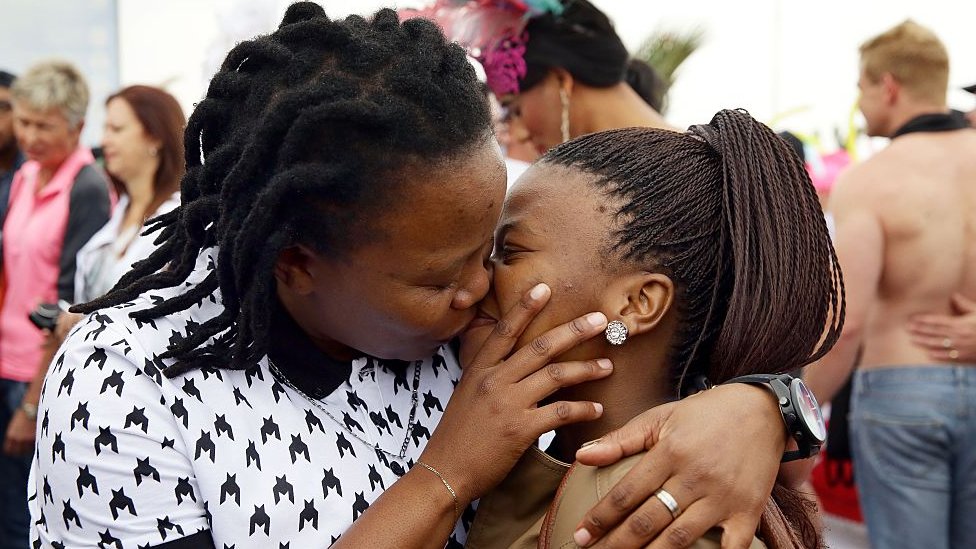
Numerous lesbian women in Nigeria grapple with the terror of social rejection, harassment, and potential physical threats. Some find themselves coerced into unwanted marriages to conceal their identities, while others face abandonment by family members and are denied access to housing, healthcare, and job opportunities.
The apprehension of discrimination inhibits many from pursuing mental health resources or reporting instances of abuse. In various instances, women perceived as lesbians experience blackmail, assault, or public shaming.
No society can genuinely advance while a segment of its populace is plagued by relentless fear.
The Nigerian Constitution guarantees the dignity of all citizens. Human rights are not exclusive to individuals whose lifestyles are broadly accepted but are designed to safeguard everyone, especially minority and marginalized groups.
Advocating for the rights of lesbian women does not necessitate that everyone relinquishes their personal religious beliefs. Nevertheless, there exists a distinction between disagreeing with someone and denying their humanity.
A democratic society ought to promote peaceful coexistence, tolerance, and respect for individual liberties.
One prevalent argument against homosexuality in Nigeria is that it clashes with African cultural and religious principles. While cultural significance is undeniable, societies consistently undergo transformation.
There were periods when women were barred from receiving education and attaining leadership roles in numerous societies. Gradually, it became apparent that discrimination stifles progress and harms lives.
Compassion, kindness, and justice are also deeply ingrained values within African culture. Advocating for the rights of lesbian women reflects a commitment to empathy rather than animosity and understanding over aggression.
Discussions regarding sexual orientation must not resort to violence, intimidation, or humiliation. Nigerians should be able to engage in sincere dialogues about identity, rights, and inclusion without fostering an environment of fear.
Young individuals particularly require guidance, reliable information, and emotional support rather than judgment. Mental health professionals worldwide continue to highlight the perils of stigma, seclusion, and enforced silence.
Nigeria is a multifaceted country with various ethnic groups, religions, and viewpoints. Genuine unity arises not from compelling all individuals to share the same thoughts but from guaranteeing that every citizen can live securely and harmoniously.
Assisting lesbian women in Nigeria involves opposing harassment, mistreatment, unlawful acts of violence, and discrimination. It entails acknowledging that each person is entitled to dignity, regardless of their identity.
A more robust community is formed when individuals can express their skills, thoughts, and creativity without the fear of being targeted.
The direction of Nigeria’s development ought to be influenced by justice, empathy, and honoring human dignity. Regardless of one’s stance on homosexuality, every Nigerian deserves to be treated with humanity.
Backing lesbian women fundamentally revolves around upholding the values of justice, security, and equal rights. A country that safeguards the rights and dignity of every citizen is one that is more equipped for harmony, solidarity, and advancement.